Managing multiple debts can become difficult when you have a low credit score. Different due dates, interest rates, and monthly payments can make it challenging to keep track of your finances. Debt consolidation can be one option for borrowers who want to combine multiple debts into a single repayment arrangement. However, getting approved with bad credit may require careful planning and understanding of available options.
What Is Debt Consolidation?
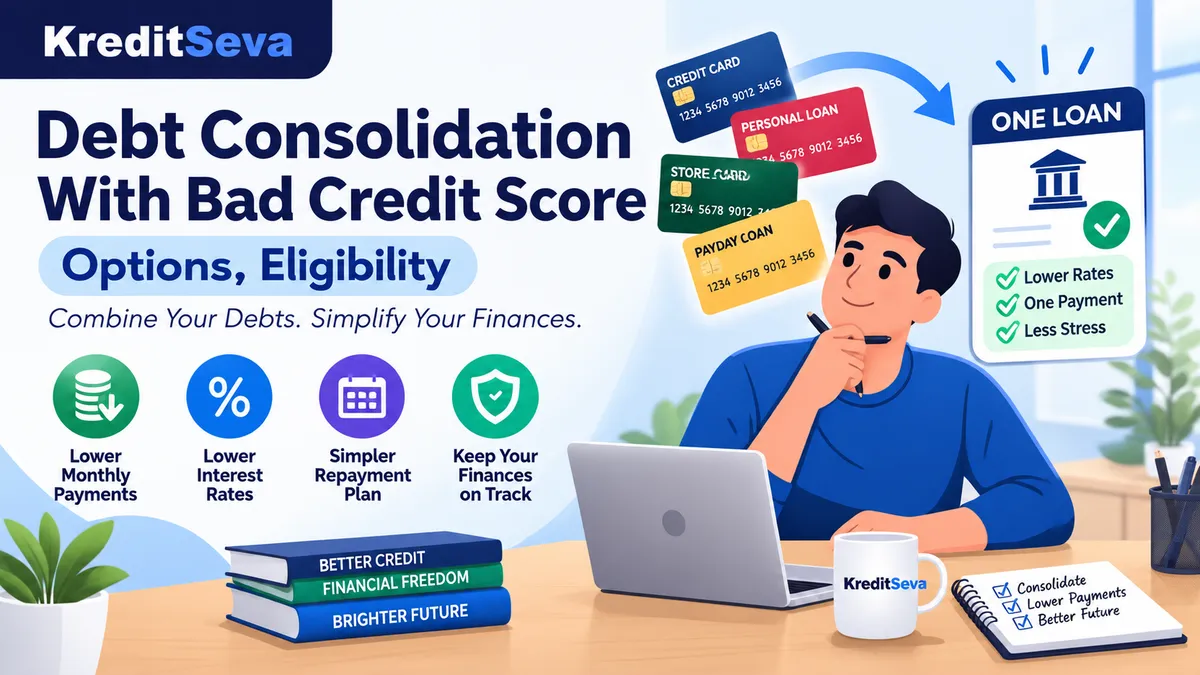
Debt consolidation means combining multiple outstanding debts into one loan or repayment arrangement. Instead of managing several credit card bills, personal loans, or other unsecured debts separately, a borrower may use a new loan to repay existing balances.
The main objective of debt consolidation is to simplify repayment. Depending on the lender and the borrower's financial profile, the new loan may offer a different interest rate, repayment period, or monthly installment.
For people with a low credit score, however, lenders may consider the application higher risk. This can result in higher interest rates, stricter eligibility requirements, or a lower approved loan amount.
Can You Get Debt Consolidation With Bad Credit?
Getting debt consolidation with bad credit is possible in some situations, but approval is not guaranteed. Lenders generally consider several factors before approving a consolidation loan.
These may include your current income, employment stability, existing debt obligations, repayment history, credit score, and debt-to-income ratio. A lender may also review recent credit applications and outstanding balances.
If your income is stable and you have sufficient repayment capacity, you may still qualify for certain bad credit debt consolidation options. Some lenders may also consider applications where a borrower provides additional security or applies with a suitable co-applicant, subject to their policies.
Debt Consolidation Options for a Low Credit Score
There are several approaches borrowers can explore when looking for debt consolidation for low credit scores.
Personal Consolidation Loan
A personal loan can be used to pay off multiple existing debts and leave you with one monthly EMI. Borrowers should compare the total cost of the new loan, including interest and applicable fees, before making a decision.
Secured Loan
A secured loan is backed by an asset or collateral. Because the lender has additional security, eligibility may sometimes be different from an unsecured loan. However, borrowers should carefully consider the risk of losing the pledged asset if they cannot repay the loan.
Balance Transfer
A balance transfer may allow eligible borrowers to move outstanding credit card balances to another card or facility, potentially at a lower promotional interest rate. The terms, fees, promotional period, and eligibility requirements should be reviewed carefully.
Debt Management Assistance
Some borrowers may benefit from working with a legitimate financial counselling or debt management service. Such services may help borrowers organize repayments and create a structured approach to managing outstanding balances.
Eligibility for Debt Consolidation
Eligibility criteria vary between lenders and financial institutions. Common factors may include:
- Regular and verifiable income
- Minimum age requirements
- Employment or business stability
- Existing loan and credit card obligations
- Credit history and repayment behavior
- Debt-to-income ratio
- Required identity and income documents
Even when the credit score is low, improving other aspects of the application may strengthen the overall profile. Borrowers should avoid submitting multiple applications within a short period because each lender may conduct its own credit assessment.
Tips Before Applying for Debt Consolidation
Before choosing a debt consolidation loan for bad credit, calculate your total outstanding debt and compare the interest rates on your current accounts with the proposed new loan.
Check the complete repayment cost rather than focusing only on the monthly EMI. A longer repayment period may reduce the monthly payment but can increase the total interest paid over time.
It is also important to understand processing charges, foreclosure charges, late-payment fees, and other applicable costs. Make sure the monthly repayment fits comfortably within your budget.
Avoid lenders or intermediaries that guarantee approval without checking your financial information or demand unusually large upfront payments. Always verify the lender and carefully read the loan agreement before accepting an offer.
Is Debt Consolidation Right for You?
Debt consolidation may be useful when it makes repayment easier, reduces the overall cost of borrowing, or helps create a more manageable monthly payment. However, consolidation does not eliminate the underlying debt.
Borrowers should also address the habits or financial circumstances that caused the debt. Creating a realistic budget, limiting unnecessary borrowing, and making payments on time can help improve financial stability and may support gradual credit score improvement.
For borrowers with bad credit, comparing different debt consolidation options and understanding their eligibility requirements is especially important. A careful comparison can help you choose an approach that aligns with your repayment capacity and long-term financial goals.
Frequently Asked Questions
1. Can I get debt consolidation with a bad credit score?
Yes, some lenders may offer consolidation options to borrowers with low credit scores. Approval depends on factors such as income, existing debt, repayment history, and the lender's eligibility criteria.
2. Does debt consolidation improve your credit score?
Consolidation itself does not automatically improve your credit score. However, making regular and timely payments after consolidation may contribute to better credit behavior over time.
3. Is debt consolidation better than paying multiple debts separately?
It depends on the loan terms and your financial situation. Consolidation may simplify repayment and potentially reduce costs, but borrowers should compare interest rates, fees, repayment periods, and total repayment amounts before deciding.