A personal loan can help cover expenses such as medical bills, education costs, home repairs, or other planned financial needs. However, one common question borrowers ask is: What is the minimum salary required for a personal loan in India?
The answer depends on the lender, your employment profile, existing financial obligations, credit history, and the loan amount you want to borrow. There is no single minimum salary requirement that applies to every bank or financial institution.
In this blog, we explain the factors that lenders consider and how you can prepare before applying for a personal loan.
1. Is There a Fixed Minimum Salary for a Personal Loan?
No, there is no universal minimum salary requirement for all personal loans in India. Each lender sets its own eligibility criteria.
Some lenders may specify a minimum monthly income, while others may assess your overall financial profile. Your employment type and location may also influence the requirements.
Before applying, check the lender's latest eligibility conditions to determine whether your income meets its requirements.
2. How Does Your Salary Affect Personal Loan Eligibility?
Your monthly income helps lenders assess whether you can repay the loan alongside your existing expenses.
For example, someone earning ₹25,000 per month with very few existing financial obligations may have a different repayment capacity from someone earning the same amount but already paying several EMIs.
Lenders may consider:
-
Monthly take-home salary
-
Employment stability
-
Existing EMIs and outstanding debts
-
Credit history and CIBIL score
-
Requested loan amount and tenure
-
Monthly living expenses and repayment capacity
Meeting a minimum income requirement does not guarantee loan approval.
3. How Much Personal Loan Can You Afford on Your Salary?
The loan amount you can reasonably afford depends on your income, essential expenses, existing debts, interest rate, and repayment period.
Consider this illustrative example:
If your monthly take-home salary is ₹30,000 and your essential expenses and existing EMIs total ₹20,000, you have ₹10,000 remaining before accounting for any other expenses or savings.
This does not mean you should use the entire remaining amount for a new EMI. Keep room for emergencies and unexpected costs when evaluating a loan.
Use a loan calculator to estimate the EMI and compare it with your monthly budget before applying.
4. Can You Get a Personal Loan on a Low Salary?
It may be possible, depending on the lender's eligibility criteria and your overall financial profile.
If you earn a modest salary, consider these steps before applying:
-
Review your credit report for errors.
-
Pay existing EMIs and bills on time.
-
Reduce outstanding debt where possible.
-
Choose a loan amount that matches your repayment capacity.
-
Compare eligibility criteria across suitable lenders.
-
Prepare accurate income and employment documents.
Avoid applying for a larger loan than you need simply because a lender offers it.
5. Does Your CIBIL Score Matter Along With Your Salary?
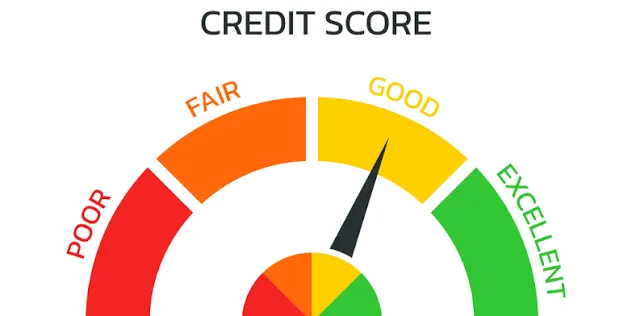
Yes. Lenders may review your credit score and repayment history alongside your salary.
A positive repayment history can support your application, while missed payments, high outstanding balances, or multiple recent credit enquiries may affect a lender's assessment.
There is no single credit score that guarantees approval from every lender. Requirements vary, so check the lender's criteria before applying.
6. What Documents Are Usually Required for a Personal Loan?
Document requirements vary by lender, but applicants may be asked to provide:
-
PAN card or other accepted identity documents
-
Address proof
-
Recent salary slips
-
Bank statements
-
Employment details
-
Additional documents requested by the lender
Ensure that the information in your application is accurate and that your documents are current.
7. How Can You Improve Your Chances of Personal Loan Approval?
You can prepare for an application by reviewing your finances and selecting a loan that suits your needs.
Start by checking your credit report, calculating your current EMI obligations, and estimating how much you can repay each month. Compare interest rates, processing fees, repayment tenure, and the total amount payable.
Apply only when you understand the terms and are confident that the EMI fits your budget. Approval remains subject to the lender's assessment.
How KreditSeva Can Help
KreditSeva can help you explore personal loan-related information and understand factors to consider when comparing available options.
Before submitting an application, review the eligibility requirements and repayment terms carefully. Borrow responsibly and select an amount that is manageable within your income.
Frequently Asked Questions
1. What is the minimum salary for a personal loan in India?
There is no fixed minimum salary for every lender. Each bank or financial institution sets its own income and eligibility requirements.
2. Can I get a personal loan with a ₹15,000 monthly salary?
It depends on the lender's minimum income criteria, your employment profile, credit history, existing EMIs, and requested loan amount.
3. Does a higher salary guarantee personal loan approval?
No. Lenders may also consider your credit score, repayment history, existing debts, employment stability, and other eligibility factors.
4. Can I apply for a personal loan if I already have EMIs?
You may be eligible, depending on your income, existing obligations, credit profile, and the lender's assessment.
5. How can I check personal loan eligibility?
Review the lender's eligibility requirements and use its official eligibility checker or calculator, if available. Check the interest rate, fees, and repayment schedule before proceeding.
Conclusion
The minimum salary required for a personal loan in India varies by lender. Your income matters, but so do your existing EMIs, credit history, employment stability, and ability to repay the loan.
Before applying, calculate your budget, compare available loan terms, and choose a repayment amount that you can manage comfortably.
Disclaimer: This article is for general educational purposes only and is not financial advice. Personal loan