Managing multiple EMIs every month can become challenging, especially when you have a personal loan, car loan, credit card dues, and other outstanding payments. Different interest rates, repayment dates, and monthly obligations can make it difficult to maintain a balanced budget.
A Personal Loan with Multiple EMIs in India may be possible for eligible borrowers, depending on their income, credit history, existing financial commitments, and the lender's eligibility criteria. Before applying for another loan, it is important to understand your repayment capacity and explore ways to manage your current debts effectively.
What Is a Personal Loan with Multiple EMIs?
A personal loan is generally an unsecured loan that can be used for eligible personal expenses, subject to the lender's terms. If you already have multiple EMIs, you may still be able to apply for another personal loan, provided you meet the lender's requirements.
For example, if you are paying EMIs on an existing personal loan and a car loan, a lender may assess whether your monthly income is sufficient to support an additional repayment.
However, taking another loan does not automatically reduce your existing financial burden. Calculate the total repayment cost before making a decision.
Who Can Apply for a Personal Loan While Paying Multiple EMIs?
Eligibility depends on the lender's policies and your financial profile. Common factors include:
-
Monthly income: Your income should be sufficient to manage existing and proposed EMIs.
-
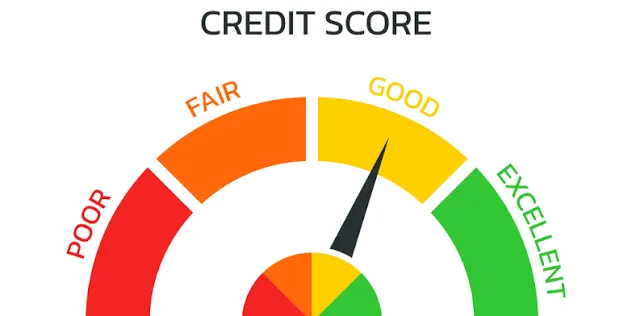
Credit score: Your credit history and repayment behaviour may affect eligibility and the interest rate offered.
-
Employment stability: Salaried applicants may need to provide employment details and salary proof.
-
Existing EMIs: Lenders assess current financial commitments to evaluate repayment capacity.
-
Documentation: Identity proof, income documents, and bank statements may be required.
Both salaried and self-employed individuals may explore personal loan options, subject to the lender's eligibility criteria.
Steps to Apply for a Personal Loan with Multiple EMIs
1. Calculate Your Existing EMI Obligations
List all your active loans, outstanding balances, interest rates, and monthly repayments. This will help you understand how much of your income is already committed to debt.
2. Check Your Eligibility
Review your credit report, monthly income, existing obligations, and repayment history before applying. This can help you identify potential issues that may affect your application.
3. Compare Personal Loan Offers
Compare interest rates, processing fees, repayment tenure, prepayment charges, and the total amount payable. A lower EMI is not always cheaper if the repayment period is significantly longer.
4. Prepare Your Documents
Common documents include PAN, identity and address proof, salary slips, bank statements, and existing loan details. Self-employed applicants may need additional business or income documents.
5. Apply and Complete Verification
Submit accurate information through the lender or an authorised loan assistance platform. The lender will assess your application and communicate its decision.
6. Plan Your Repayments Carefully
Before accepting a loan offer, confirm that the proposed EMI fits your monthly budget after accounting for existing repayments and essential expenses. Avoid borrowing more than you need.
What If You Are Struggling to Manage Multiple EMIs?
If your existing repayments are already difficult to manage, consider alternatives before taking another personal loan.
Explore Debt Consolidation
A debt consolidation loan may allow eligible borrowers to combine certain outstanding debts into one repayment arrangement. Depending on the interest rate, fees, and tenure, this may simplify repayments or reduce monthly outgo.
However, consolidation does not automatically reduce total debt or guarantee savings. Compare the total repayment cost before proceeding.
Contact Your Existing Lender
Ask whether a lower interest rate, tenure adjustment, or another repayment option is available. Any change depends on the lender's approval and applicable terms.
Review Your Monthly Budget
Identify unnecessary expenses and create a realistic repayment plan. Avoid using additional high-interest borrowing to cover existing EMIs, as this can increase financial pressure.
How KreditSeva Can Help
KreditSeva helps borrowers explore personal loan and debt consolidation options through participating banks and NBFCs. You can review your financial requirements and explore potentially suitable options based on your circumstances.
KreditSeva facilitates the application process but does not directly approve or disburse loans. Final eligibility, interest rates, and loan terms are determined by the lending institution.
Conclusion
A Personal Loan with Multiple EMIs in India may be an option for eligible borrowers, but approval depends on income, credit history, outstanding liabilities, and repayment capacity.
Before applying, calculate your existing obligations, compare available offers, and ensure that another EMI will not put your essential expenses at risk. If your current repayments are already difficult to manage, consider debt management or consolidation options before taking on additional borrowing.
A well-planned repayment strategy can help you manage your financial commitments more effectively.
Frequently Asked Questions
1. Can I get a personal loan in India if I already have multiple EMIs?
You may qualify depending on your income, credit history, existing liabilities, and the lender's eligibility requirements.
2. Do multiple EMIs affect personal loan eligibility?
Yes, existing EMIs can affect your repayment capacity and the amount a lender may be willing to offer. Approval depends on the lender's assessment.
3. Can I apply for a personal loan with a low CIBIL score?
Some lenders may consider applicants with lower credit scores, but approval and pricing depend on their policies and the applicant's overall financial profile.
4. Can debt consolidation reduce my monthly EMI payments?
It may reduce monthly outgo if the new loan offers suitable terms. However, a longer tenure or additional fees can increase the total repayment cost.