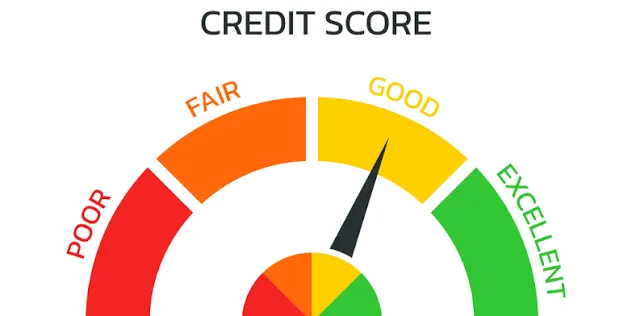
A good CIBIL score can play an important role when applying for a personal loan in India. Lenders may review your credit score, repayment history, income, existing EMIs, and other financial details before deciding whether to approve your application.
If you are planning to apply for a personal loan, preparing your credit profile in advance may help you understand your eligibility and avoid common mistakes.
In this blog, we will discuss practical ways to improve your CIBIL score before applying for a personal loan.
1. Check Your CIBIL Report
Before applying for a personal loan, review your credit report to understand your current credit profile.
Check the report for:
-
Your current credit score
-
Existing and closed loan accounts
-
Credit card balances
-
Reported payment history
-
Incorrect personal or account information
If you find inaccurate information, raise a dispute with the relevant credit bureau or lender. Correcting errors may help ensure that your report reflects accurate information.
2. Pay Your EMIs and Credit Card Bills on Time
Payment history is an important factor in credit scoring. Missed or delayed payments can negatively affect your credit profile.
To manage payments more effectively:
-
Set reminders for EMI due dates.
-
Maintain sufficient funds in your bank account.
-
Pay at least the required amount by the due date.
-
Contact your lender if you anticipate difficulty making a payment.
Consistent, timely repayments can support a healthier credit history, although improvements are not immediate or guaranteed.
3. Keep Your Credit Card Utilization Under Control
Using a large portion of your available credit limit may affect how lenders assess your credit profile.
For example, if your credit card limit is ₹50,000 and your outstanding balance is ₹40,000, your utilization is 80%.
Where possible, reduce outstanding balances and avoid using your entire available credit limit. A lower utilization ratio may support better credit management, but there is no single ratio that guarantees loan approval.
4. Avoid Applying for Too Many Loans at Once
Submitting several loan applications within a short period can lead to multiple lender enquiries on your credit report.
Before applying, compare eligibility requirements and shortlist suitable lenders. Apply only when you have reviewed the loan terms and believe the product fits your needs.
Remember that each lender may have different approval criteria.
5. Manage Your Existing EMIs
If you already have multiple loans, your total monthly repayment obligations may influence a lender's assessment of your ability to repay another loan.
Prepare a list of your existing EMIs and outstanding balances. Review your monthly budget and avoid taking on additional debt that you cannot comfortably repay.
If you are struggling with existing payments, contact your lenders to discuss possible repayment options.
6. Avoid Closing Credit Accounts Without Reviewing the Impact
Closing an unused credit card may affect your credit profile differently depending on your circumstances, including your overall credit utilization and account history.
Before closing an account, review any applicable fees and consider how the change may affect your available credit. Keep accounts only when they are useful and manageable for your financial situation.
7. Give Your Credit Profile Time to Improve
Improving your CIBIL score is not an overnight process. Your score may change as lenders report updated balances and payment information to credit bureaus.
Focus on consistent repayment behaviour, responsible credit usage, and correcting errors in your report. Avoid shortcuts or services that promise a guaranteed score increase.
8. Check Your Personal Loan Eligibility Before Applying
A CIBIL score is only one part of a personal loan application. Lenders may also consider your income, employment, existing financial obligations, repayment capacity, and their own eligibility criteria.
Before applying, check the minimum requirements, interest rate, processing fees, repayment tenure, and total amount payable.
A strong credit score does not guarantee approval, and a lower score does not mean every lender will automatically reject your application.
How KreditSeva Can Help
KreditSeva can help you explore loan-related information and understand factors to consider when comparing personal loan options.
Before submitting an application, review your credit report, calculate your repayment capacity, and compare the complete cost of borrowing. Choose a loan only when the repayment obligations fit your budget.
Frequently Asked Questions
1. How can I improve my CIBIL score before applying for a personal loan?
Pay existing EMIs and credit card bills on time, manage outstanding balances, check your credit report for errors, and avoid unnecessary loan applications.
2. How long does it take to improve a CIBIL score?
The time required varies depending on your credit history, outstanding balances, repayment behaviour, and when lenders report updates. There is no fixed timeline for everyone.
3. Can I get a personal loan with a low CIBIL score?
Some lenders may consider applicants with different credit profiles, but eligibility, interest rates, and approval conditions vary. Review each lender's criteria before applying.
4. Does checking my own CIBIL score reduce it?
Checking your own credit score is generally treated as a soft enquiry and does not lower your score. A lender's credit check associated with a loan application may be recorded as a hard enquiry.
5. Does a high CIBIL score guarantee personal loan approval?
No. Lenders may also assess income, employment stability, existing EMIs, documentation, and their internal lending policies.
Conclusion
Improving your CIBIL score before applying for a personal loan starts with responsible financial habits. Pay bills on time, manage outstanding balances, review your credit report, and apply for credit carefully.
By preparing your credit profile and checking your repayment capacity, you can make a more informed decision when exploring personal loan options.
Disclaimer: This article is for general educational purposes only and is not financial advice. Credit scores, eligibility, and loan approval depend on individual circumstances and lender policies.