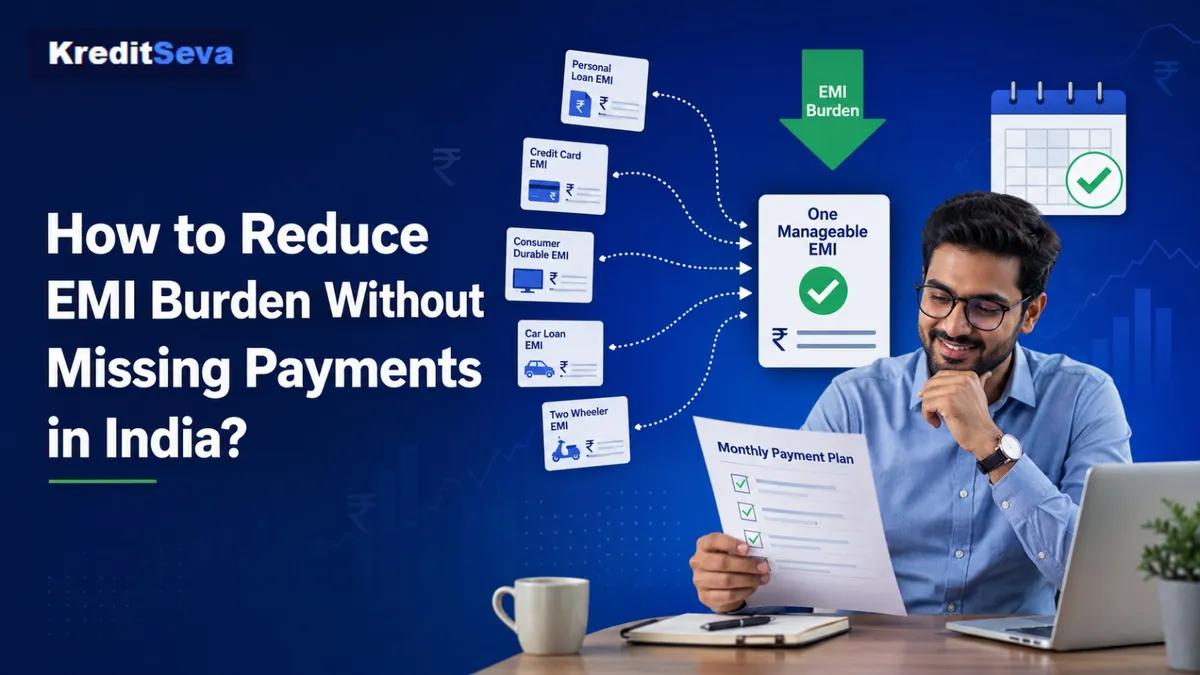
Managing several loan EMIs every month can become difficult, especially when household expenses are also increasing. Personal loans, credit cards, vehicle loans and app-based loans may consume a large part of your monthly income. Missing even one payment can attract late fees and negatively affect your credit profile. Therefore, understanding how to reduce EMI burden without disturbing your repayment record is important for maintaining financial stability.
Review All Your Existing Loans
Start by creating a complete list of your debts. Mention the outstanding balance, EMI, interest rate, remaining tenure and payment date for every loan. This will help you identify which loan costs the most and which one should be addressed first.
High-interest debts, such as credit card balances and short-term digital loans, generally require immediate attention. Reviewing your obligations is the first step in understanding how to reduce EMI burden through a structured repayment plan.
You should also calculate your total EMI-to-income ratio. For example, if your monthly income is ₹60,000 and your total EMIs are ₹30,000, 50% of your income is already committed to debt payments. This can make regular expenses difficult to manage.
Consider Debt Consolidation
Debt consolidation involves combining multiple eligible debts into one new loan. Instead of handling several payment dates and interest rates, you make one EMI every month. This can simplify repayment and may reduce your monthly outflow if the new loan offers a suitable interest rate or longer tenure.
For borrowers looking for how to reduce EMI burden, debt consolidation can be a practical option. However, compare the new interest rate, processing fee, foreclosure charges and total repayment amount before proceeding. A lower EMI does not always mean a cheaper loan because extending the tenure may increase the total interest paid.
Explore a Personal Loan Balance Transfer
A personal loan balance transfer allows you to move an existing loan from one lender to another offering better terms. A lower interest rate can potentially reduce your EMI and total interest expense.
Before choosing this option, check the balance-transfer fee, loan foreclosure charges and remaining tenure. A transfer may be beneficial when a substantial loan amount and repayment period are still pending. It may not offer meaningful savings when the loan is close to completion.
Comparing the existing and proposed repayment costs will help you decide how to reduce EMI burden without creating an unnecessary additional expense.
Request Loan Restructuring from Your Lender
If your income has reduced or financial circumstances have changed, contact your lender before missing an EMI. Depending on its policies and your repayment history, the lender may consider increasing the tenure, changing the payment date or restructuring the repayment schedule.
Increasing the loan tenure can lower the monthly EMI, although it normally increases the overall interest cost. Loan restructuring may also affect your credit report depending on how the lender records it. Ask for all terms in writing before accepting the revised arrangement.
Early communication is an important part of learning how to reduce EMI burden while protecting your payment history.
Use Bonuses and Extra Income for Prepayment
You can use a work bonus, investment maturity, tax refund or other additional income to make a part-prepayment toward a high-interest loan. Reducing the outstanding principal can lower the future interest burden. Depending on the lender’s terms, you may choose between a lower EMI and a shorter tenure.
Check whether your lender charges a part-prepayment fee. If there are multiple loans, prioritise the debt carrying the highest interest rate instead of dividing the available amount equally among all loans.
Control New Borrowing and Unnecessary Expenses
Avoid taking a new short-term loan simply to pay an existing EMI. This can create a debt cycle and make the situation more difficult. Stop using credit cards for non-essential purchases until the outstanding balances are under control.
Prepare a realistic monthly budget covering rent, groceries, utilities, insurance and EMIs. Cancel unused subscriptions and reduce discretionary spending temporarily. These changes may appear small, but they can create additional cash for timely loan payments.
Understanding how to reduce EMI burden also means avoiding financial decisions that increase your debt.
Maintain an Emergency Payment Fund
Try to maintain a small emergency fund equal to at least one or two months of EMIs. This reserve can help if your salary is delayed or an unexpected expense arises. Keep it separate from your daily spending account so it is used only when necessary.
Set automatic payment reminders and maintain sufficient balance before every due date. This reduces the possibility of accidental missed payments, penalties and damage to your credit score.
Conclusion
There is no single solution for every borrower. Debt consolidation, balance transfer, prepayment, budgeting and lender restructuring may help, depending on your income and loan profile. The correct way to understand how to reduce EMI burden is to compare the monthly savings with the total long-term cost. Take action before missing payments and carefully review all lender terms before making a decision.
Frequently Asked Questions
1. Can I reduce my EMI without affecting my credit score?
A balance transfer, part-prepayment or revised tenure may reduce your EMI without necessarily harming your credit score. However, missing payments or certain formally reported restructuring arrangements may affect your credit report. Confirm the reporting implications with the lender before proceeding.
2. Is debt consolidation suitable for multiple personal loans and credit card bills?
Debt consolidation may combine eligible personal loans and credit card dues into one EMI. Approval depends on income, credit score, repayment history, existing obligations and the lender’s policies. Compare the total interest, fees and tenure before accepting an offer.
3. Which loan should I repay first when I have multiple EMIs?
Generally, prioritising the loan with the highest interest rate can reduce the overall interest cost. Alternatively, closing the smallest loan first may provide motivation and release one EMI sooner. Continue paying the required EMI on every loan regardless of the repayment strategy you select.